These are the things travellers write to ask us before they arrive. None of it is complicated, but knowing it in advance removes most of the small friction of a first trip.
Money
The currency is the Moroccan dirham (MAD). It is a closed currency, which means you cannot buy it before you arrive and you should not take large amounts out with you. Exchange at the airport or in town, or withdraw from an ATM — both are straightforward.
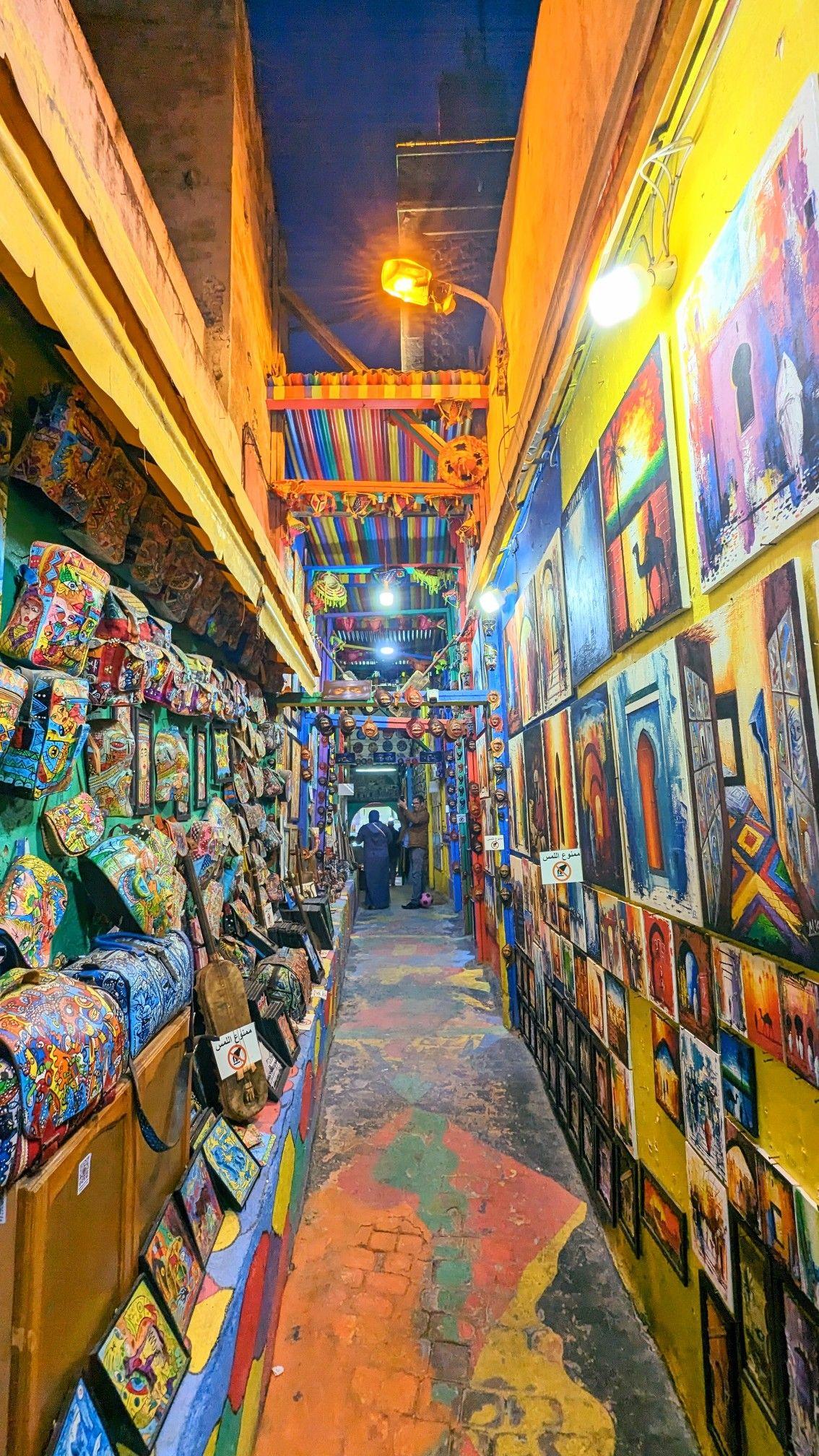
Cards are accepted in hotels, larger restaurants and some shops, but cash rules in the souks, in small villages and for anything in the desert. Carry small notes; nobody in a medina wants to break a 200.
Getting around
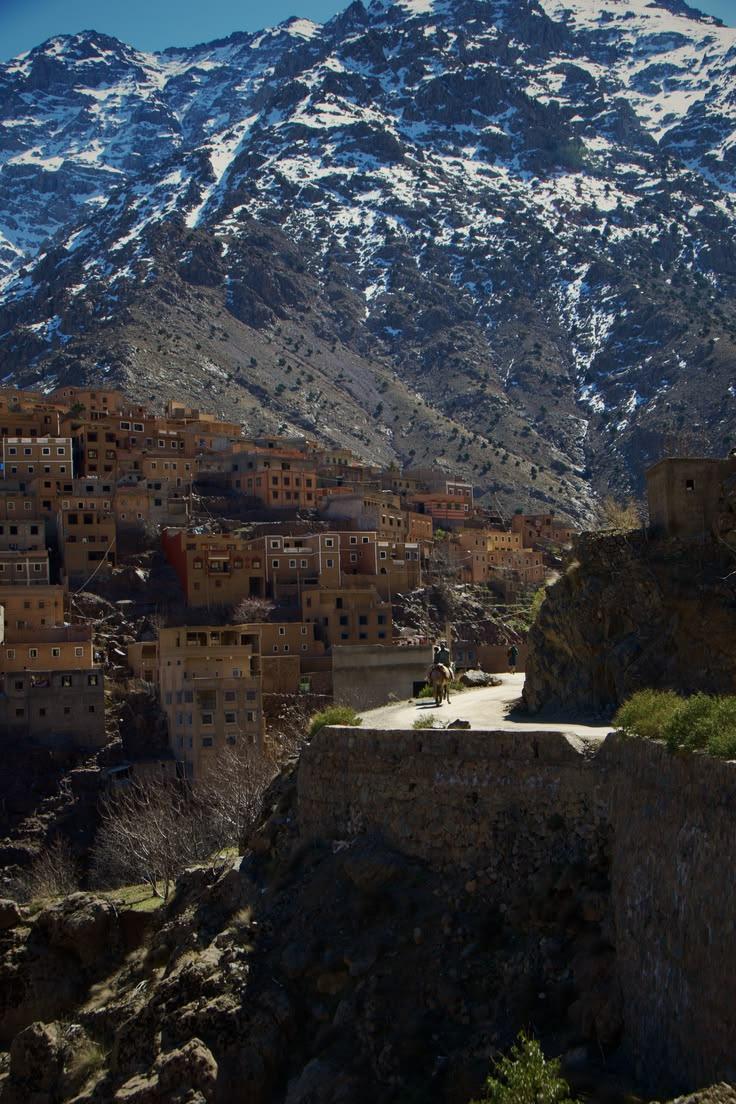
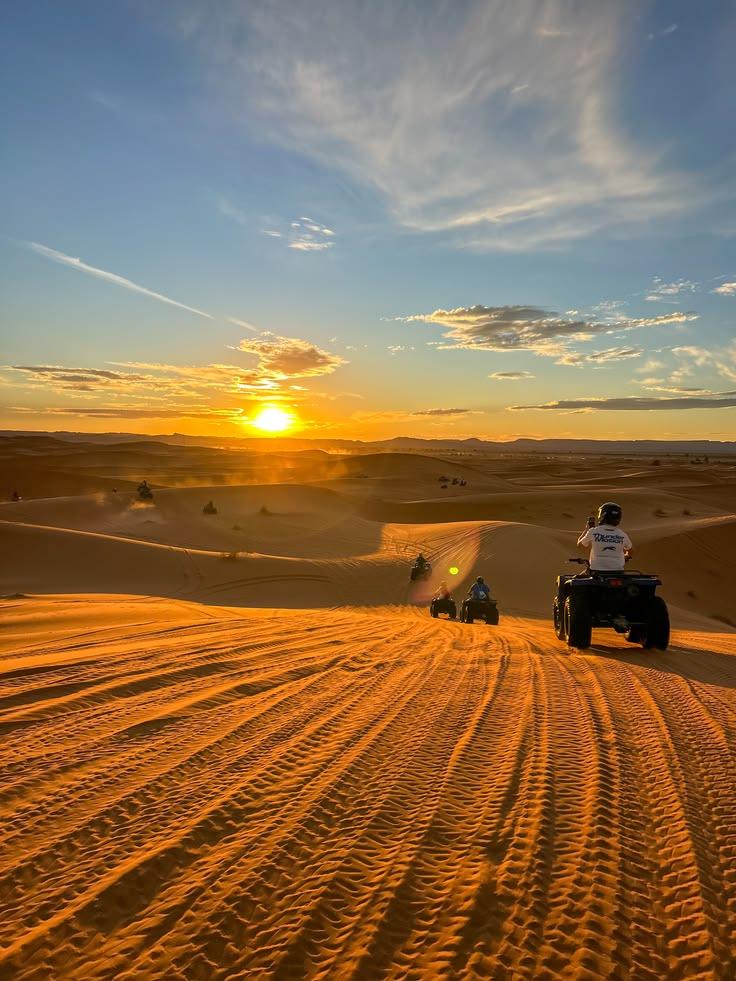
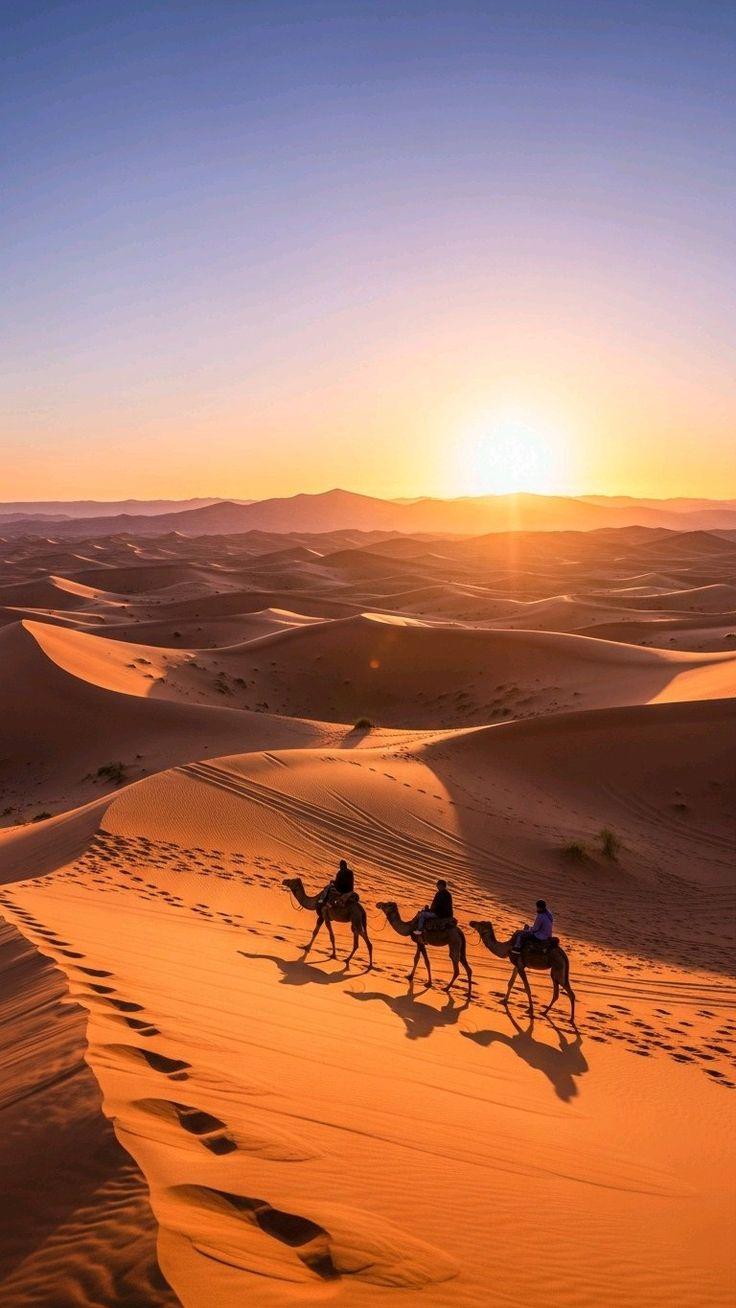
Trains connect the north — Tangier, Rabat, Casablanca, Marrakech, Fes — and are comfortable and cheap. There is no train south of Marrakech, so the desert, the Atlas and the kasbah valleys are reached by road.
For those routes a private car and driver is not a luxury so much as the practical option: the drives are long, the stops matter, and having someone who knows where to pull over turns a transfer into part of the trip.
What to wear
Morocco is relaxed, but modest dress in medinas and villages is appreciated and makes life easier. Shoulders and knees covered is the whole rule, for men as well as women. Beaches and resort areas are more casual.
Practically: bring shoes you can walk on uneven stone in all day, something warm for desert nights and mountain mornings, and a scarf — useful for sun, wind, sand and entering religious sites.
Language
Moroccan Arabic (Darija) and Tamazight are the everyday languages. French is widely spoken in cities and business, Spanish in the north and in Agadir, and English increasingly in tourism.
You will not need Arabic, but a few words go a long way: salam for hello, shukran for thank you, la shukran for a polite "no thank you" in the souks.
Safety, hassle and tipping
Morocco is a safe country for travellers, including for women travelling alone, with the usual sensible precautions. The thing people actually find tiring is not danger but persistence — offers of guiding, of directions, of a shop you must see. A friendly, firm "la shukran" and continuing to walk resolves nearly all of it.
Tipping is normal and modest. A few dirhams for a porter or a café, rather more for a guide or driver who has spent the day with you. It is a courtesy, not an obligation, and nobody will be rude about it.
Ready to see it for yourself?
Anything not covered here, ask us directly — we answer every message personally, and there is no obligation attached to a question.
Tell us your dates and we will shape an itinerary around what you have just read.