Most visitors eat tagine and couscous, enjoy both, and go home. That is a shame, because Moroccan cooking is strongly regional and several of the best dishes exist only in one city.
The two dishes everyone knows
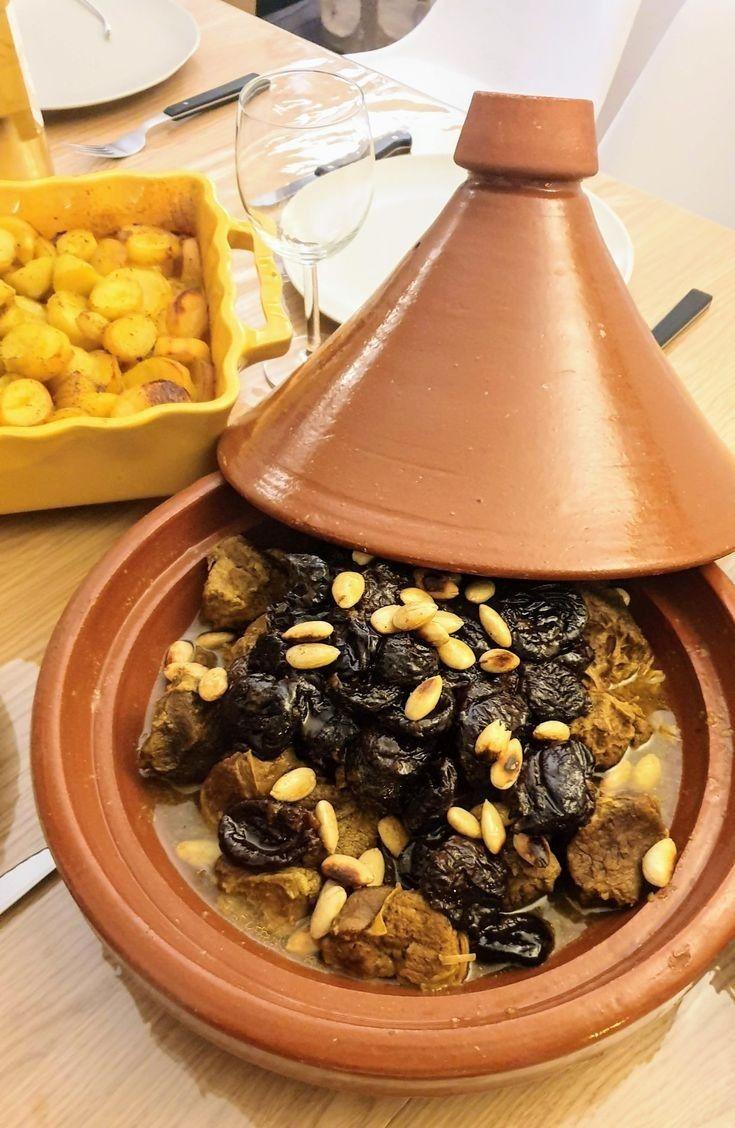
Tagine is named after the conical clay pot it is cooked in, which recirculates steam and lets meat cook slowly with almost no liquid. The classics are lamb with prunes and almonds, chicken with preserved lemon and olives, and kefta with eggs cracked in at the end.
Couscous is a Friday dish, eaten after midday prayers, and it is worth arranging your week so you have one on a Friday in a home or a good restaurant rather than a tourist version on a Tuesday.
The regional dishes worth travelling for
Each of these belongs to one place and is rarely done well outside it.
- Pastilla, in Fes — pigeon or chicken in layered pastry with almonds, cinnamon and sugar. Sweet and savoury at once, and the finest thing in Moroccan cooking.
- Tanjia, in Marrakech — beef or lamb sealed in a clay urn and cooked for hours in the ashes of a hammam furnace. Not found elsewhere.
- Medfouna, in the Tafilalet and the Sahara — a stuffed flatbread baked in hot sand, sometimes called Berber pizza.
- Grilled sardines, in Essaouira and Agadir — chosen from the stall and cooked in front of you at the port.
- Bissara, in the Rif and the north — a thick fava bean soup eaten at breakfast with olive oil and cumin.
Street food and breakfast
Moroccan breakfast is worth getting up for: msemen and beghrir, two kinds of flatbread and pancake, served with honey, butter and amlou — an almond and argan oil spread from the south.
On the street, look for the stalls with a queue of locals. Grilled meat, snail soup in winter, sardine sandwiches, fresh orange juice on every corner. The stalls on Jemaa el-Fnaa are more of an experience than a meal, and that is fine — go for the atmosphere and eat properly elsewhere.
Mint tea, and how it works
Green tea, fresh mint and a great deal of sugar, poured from a height so it aerates. It is offered constantly — on arrival, in shops, in homes, at the end of a meal — and accepting is the polite response even if you only take a sip.
If you would rather it were less sweet, say so when it is being made rather than after; sugar goes in with the tea, not at the table.
Cook it yourself
The single best food experience we arrange is a cooking session that starts at the market. You choose the vegetables, the herbs and the spices, have them explained, then cook a full meal in a riad kitchen with a Moroccan cook and eat it on the roof.
People come back from it able to make a tagine at home, which is more than most souvenirs manage.
Ready to see it for yourself?
We build food into every itinerary — a cooking session, a market visit, a Friday couscous, or simply telling you which stall on which street. Ask us.
Tell us your dates and we will shape an itinerary around what you have just read.