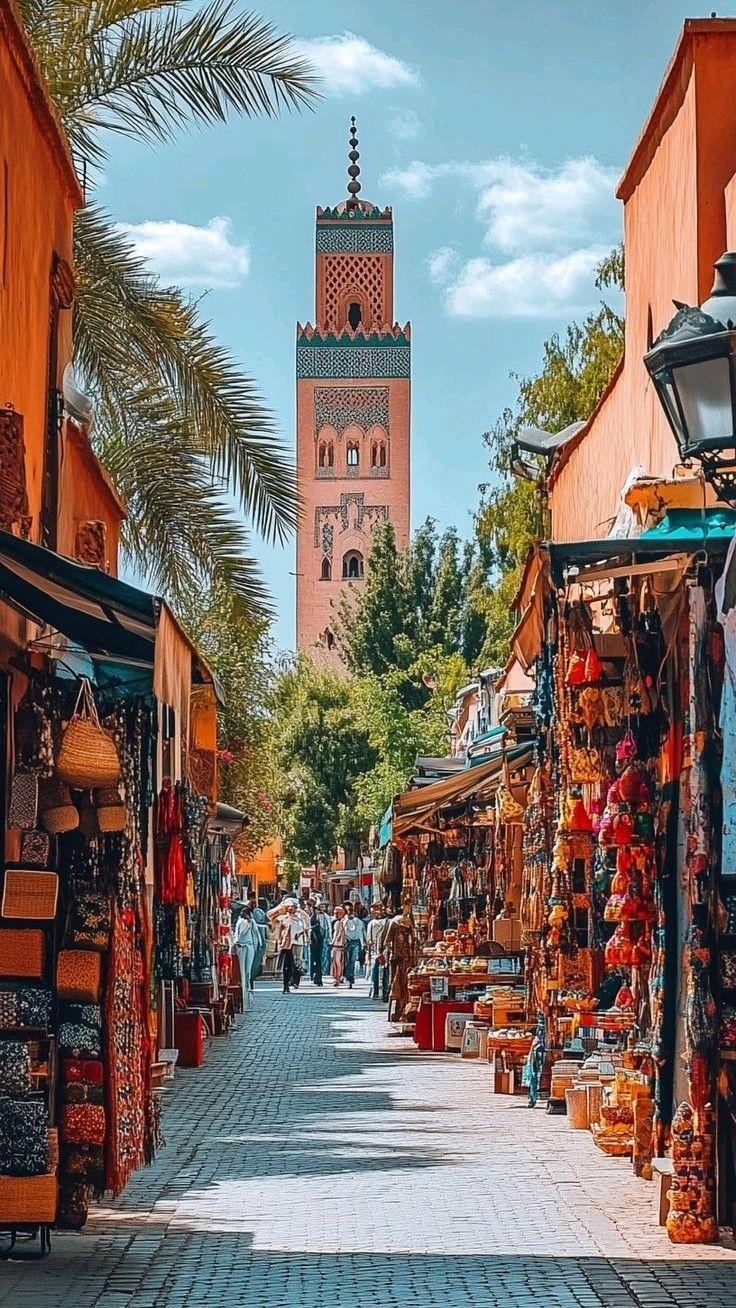
Marrakech can be exhausting if you approach it in the wrong order. Done properly, it is one of the great city experiences anywhere — but the sequence and the timing matter more here than in most places.
See Jemaa el-Fnaa twice
The square is not one place. At eleven in the morning it is a wide, half-empty space with orange juice carts and a few musicians. By eight in the evening a hundred food stalls have been assembled, storytellers have drawn circles of listeners, and it is one of the loudest places in Africa.
Go both times. UNESCO listed the square's oral traditions as intangible cultural heritage precisely because the night version is a living thing rather than a performance.
The monuments, early
The Bahia Palace, the Saadian Tombs, the El Badi ruins and the Ben Youssef Madrasa are all within walking distance of each other, and all are far better before ten in the morning. The Bahia in particular is a series of small rooms and courtyards that lose everything when they are full.
The Ben Youssef Madrasa courtyard is, in our view, the single most beautiful interior in the city — carved cedar, cut plaster and zellige on every surface. Get there when it opens.
The souks, with someone who knows them
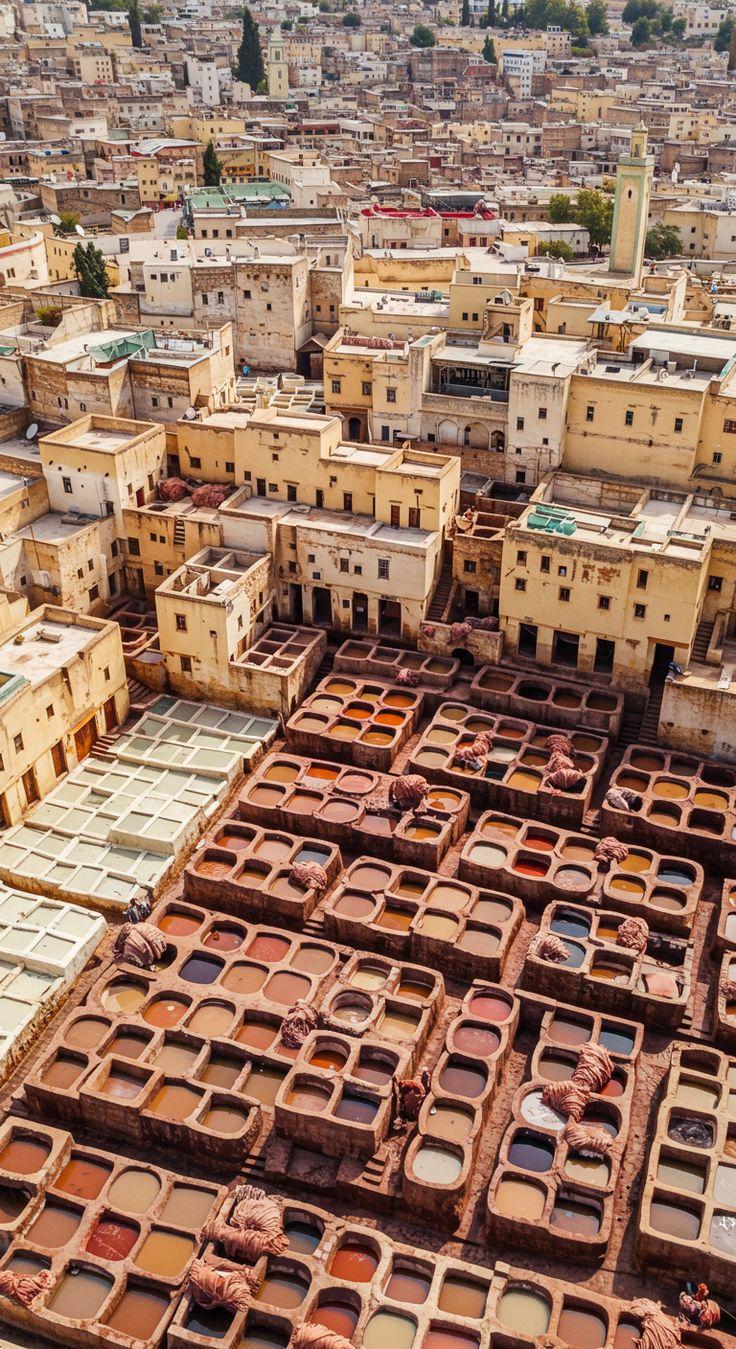
The souks are organised by trade, not by chance — dyers together, metalworkers together, leather further north. Once you know that, the maze stops being a maze.
A licensed guide on your first day is worth it, and not only for navigation: it changes the tone of the encounters, because you stop being an unaccompanied target for the shops that work on commission. After a day you can wander alone comfortably.
Gardens, kitchens and hammams
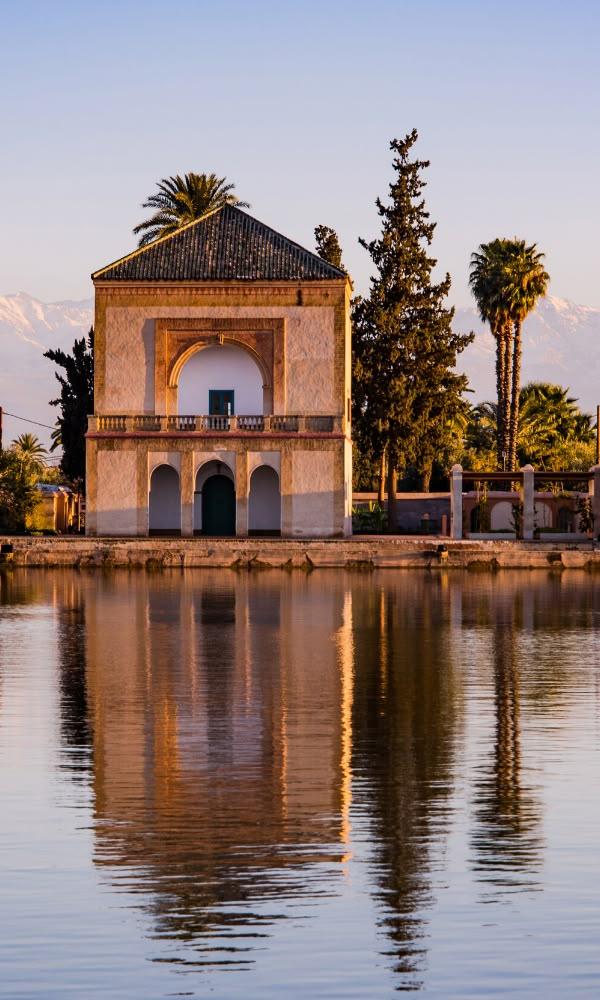
Marrakech was built on a hot plain and its gardens were the answer to that. The Majorelle Garden is small, extremely popular and worth the early start; Le Jardin Secret, in the middle of the medina, is quieter and explains the water systems that made the whole city possible.
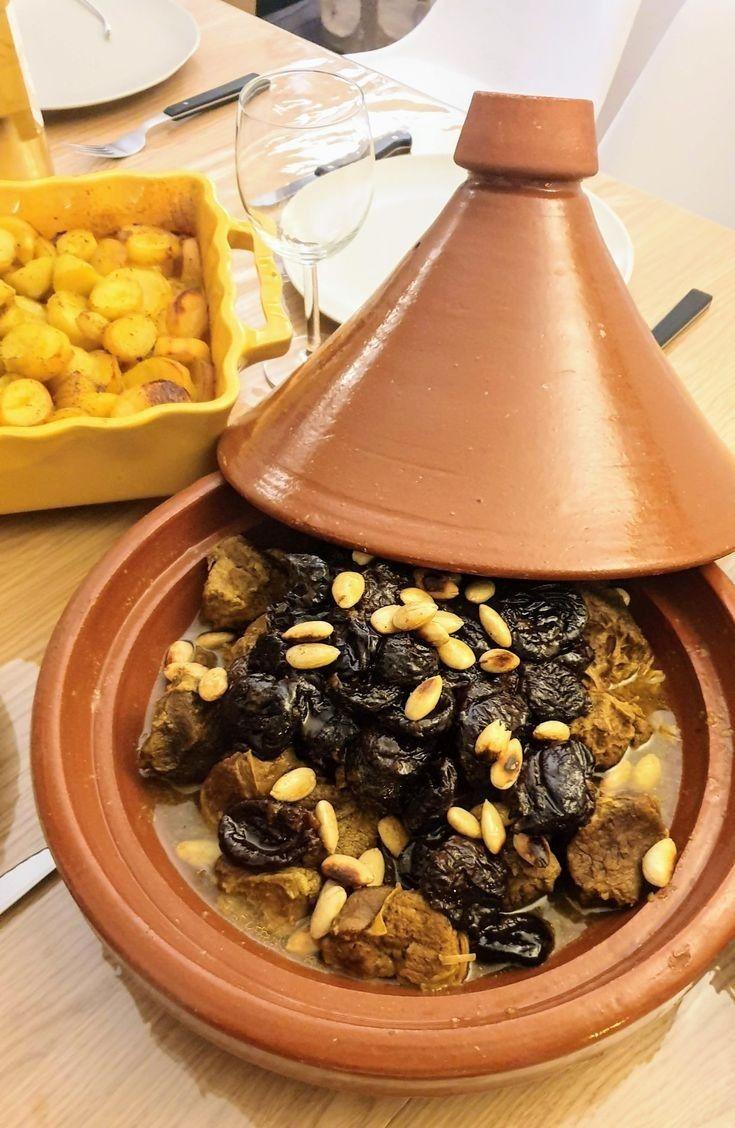
Two other things we recommend without reservation: a cooking session that starts at the market and ends on a rooftop with the meal you made, and an afternoon in a traditional hammam. Both are the kind of thing you remember longer than a monument.
A half-day out of the city
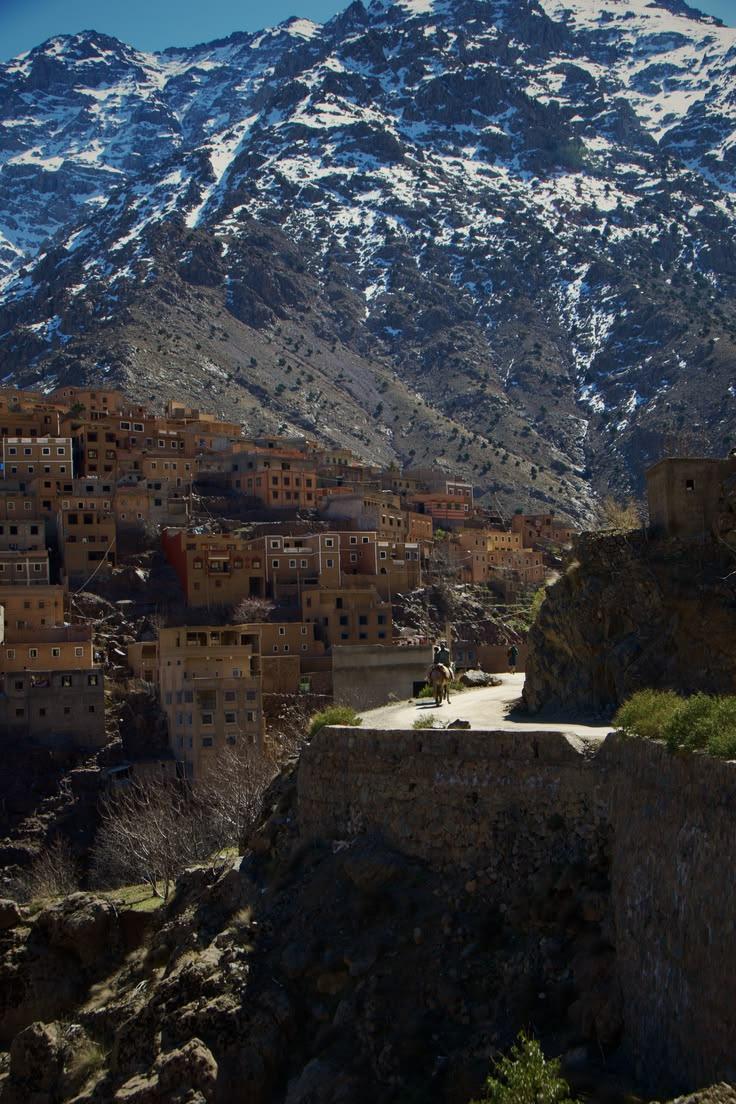
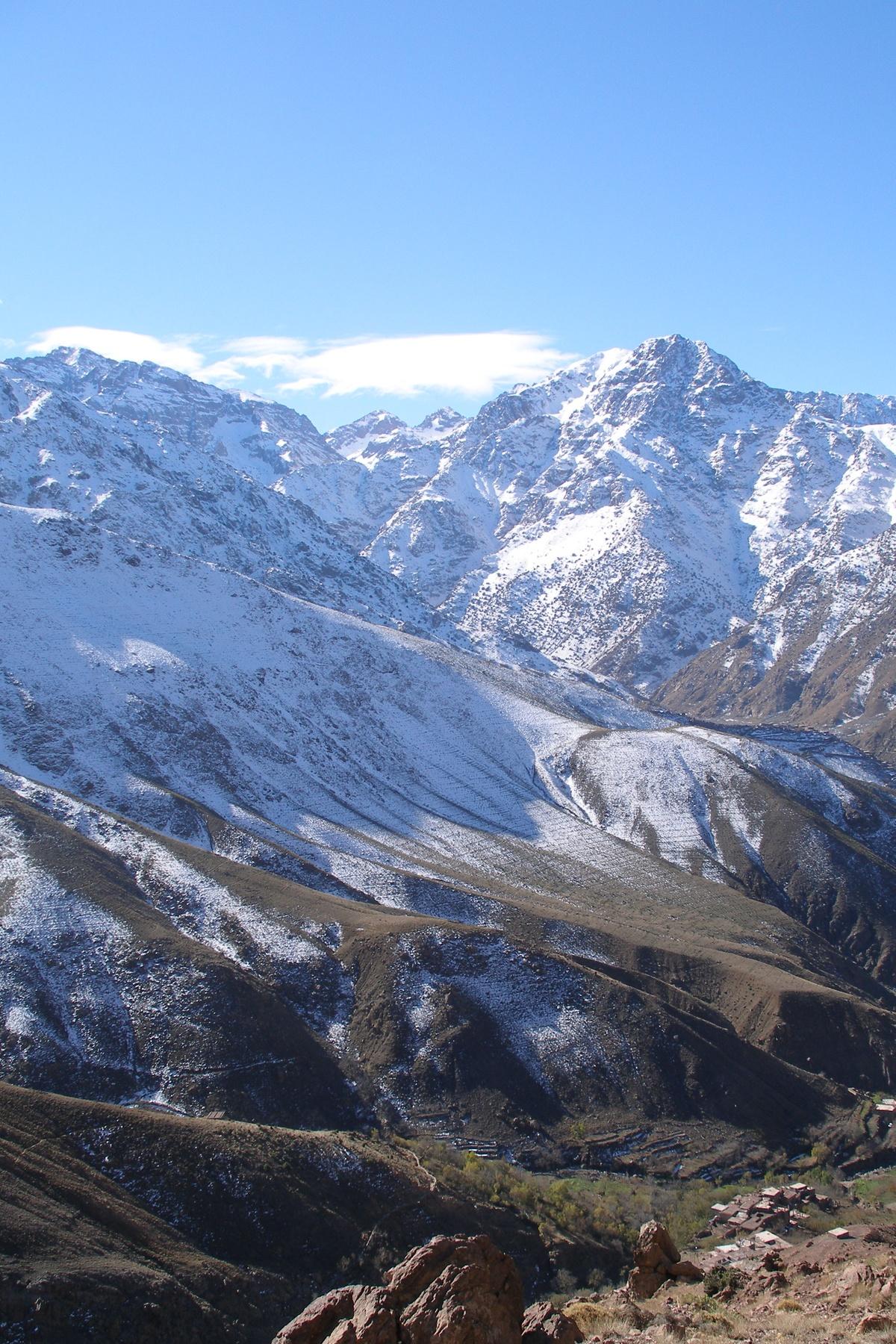
If you have three days or more, take an afternoon in the Ourika Valley or the Atlas foothills. It is an hour away, the temperature drops noticeably, there is running water and greenery, and it gives the medina days somewhere to breathe between them.
Ready to see it for yourself?
Our four-day Marrakech experience follows roughly this order, with a licensed guide for the medina days and free afternoons throughout.
Tell us your dates and we will shape an itinerary around what you have just read.