Morocco is often described as a crossroads, which is true but not very useful. More precisely: it is Amazigh country that has absorbed Arab, Andalusian, sub-Saharan and European layers over thirteen centuries without any of them fully replacing what came before.
The Amazigh foundation
The Amazigh — often called Berbers, though Amazigh is the term most people prefer — are the indigenous population of North Africa, here long before the Arab conquests of the seventh century. Tamazight is an official language of Morocco alongside Arabic, and in the Atlas, the Rif and the south it is the everyday one.
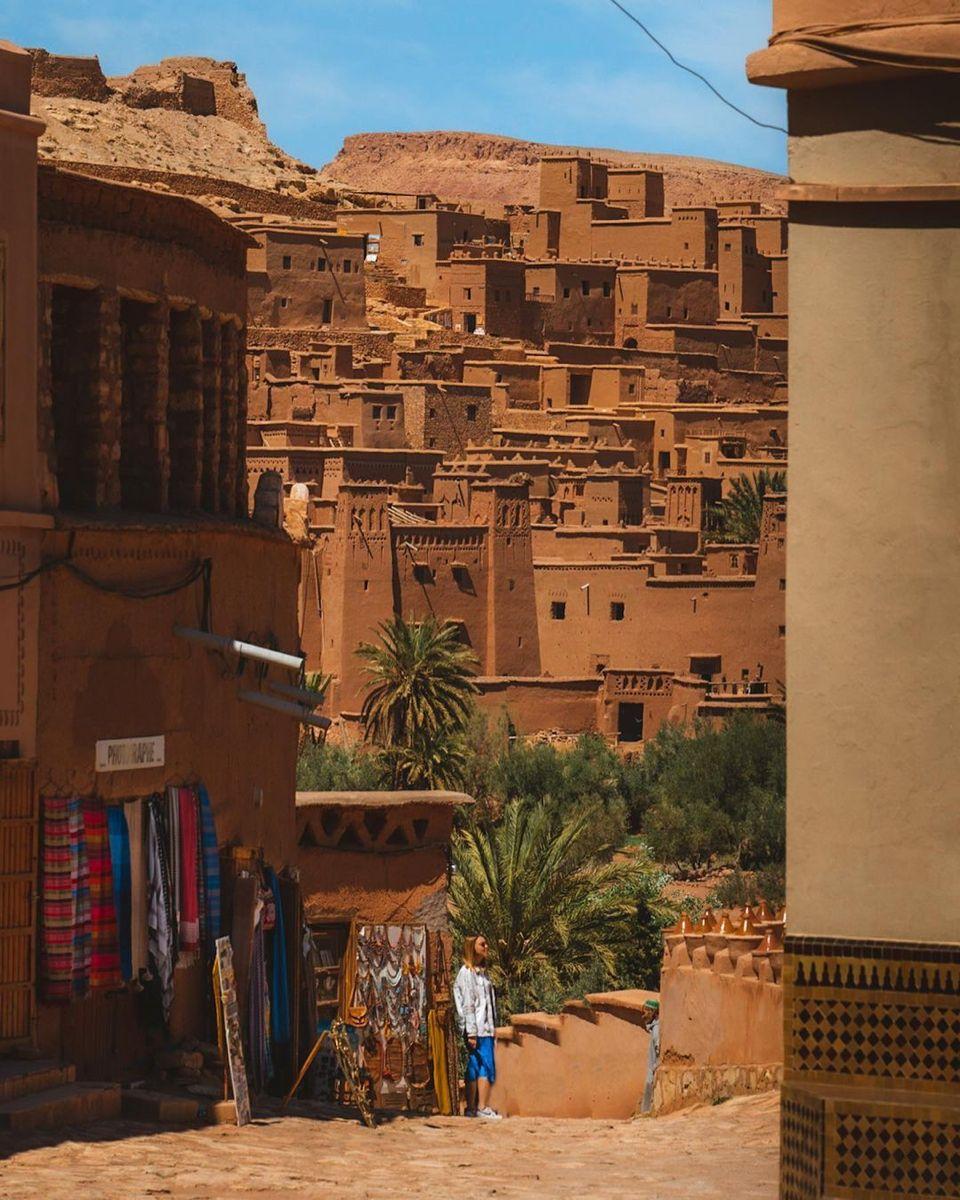
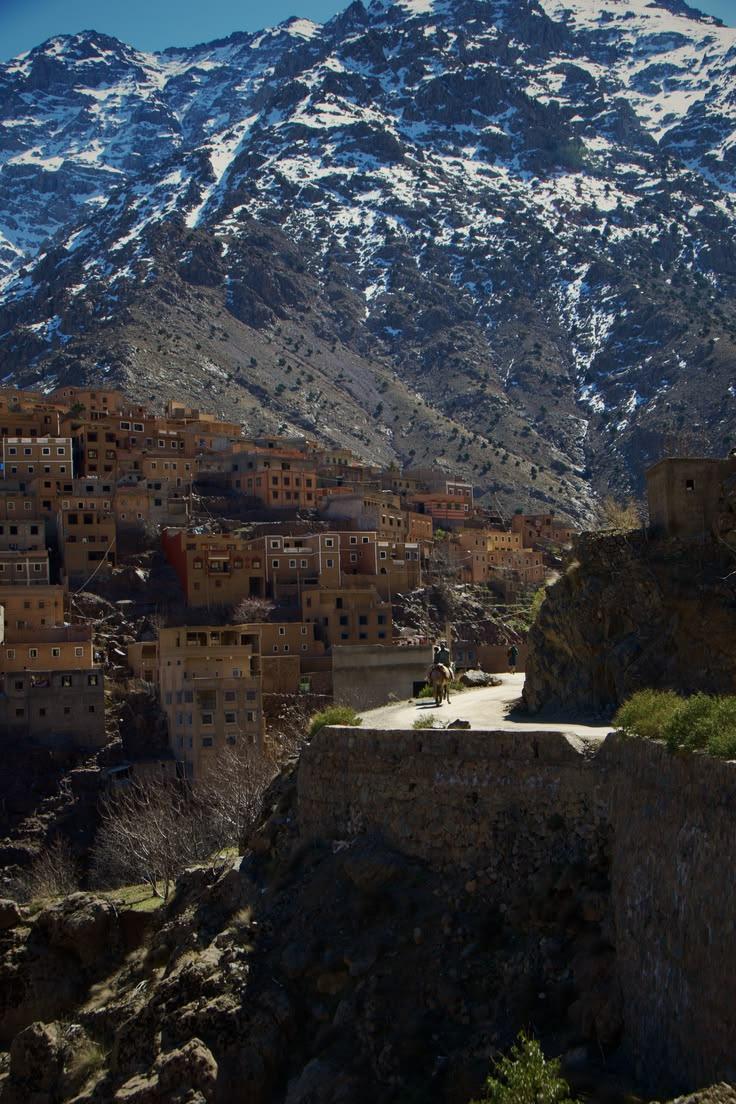
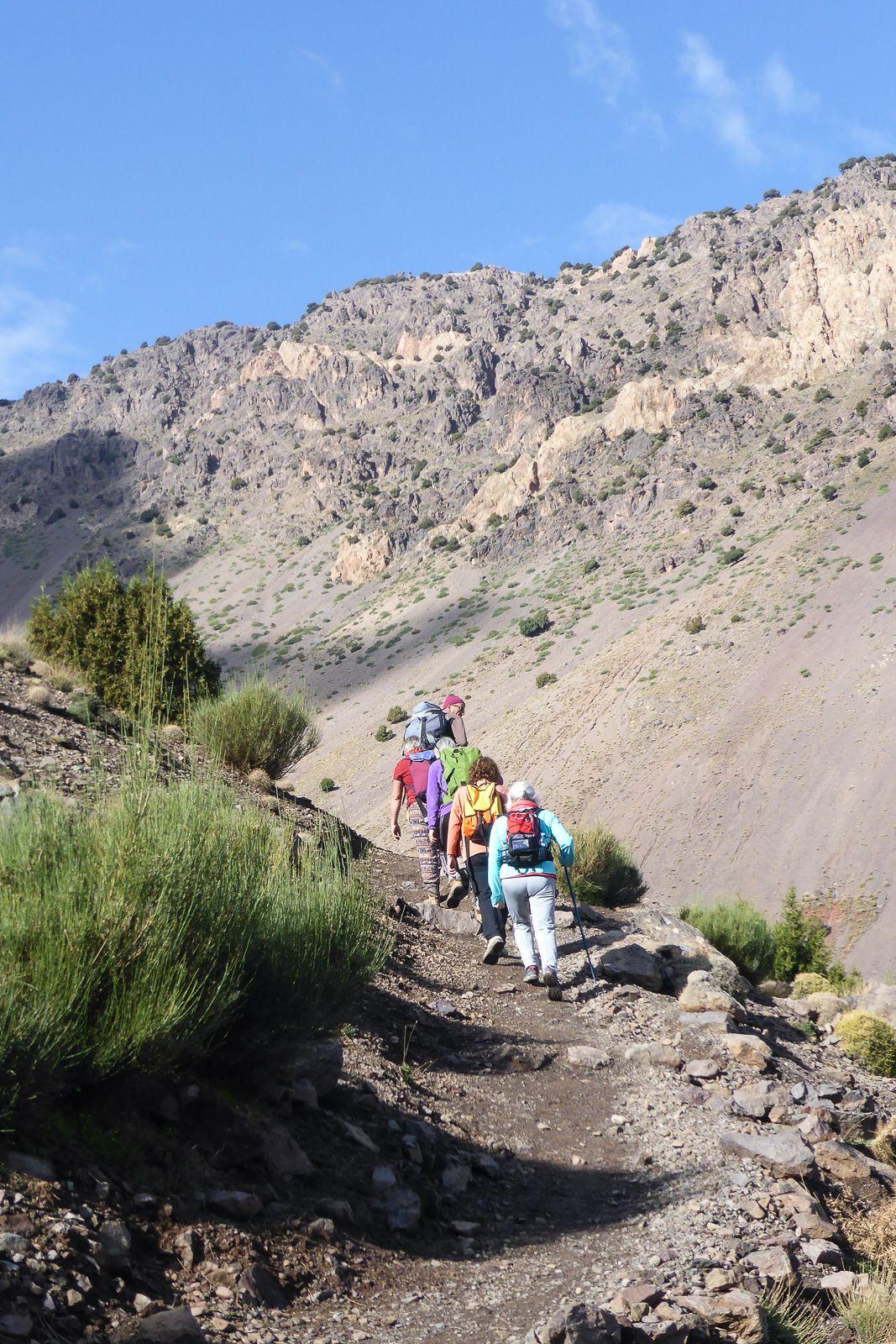
You will see the Amazigh flag and the yaz symbol widely, particularly in the mountains and the desert. Villages there are built from the earth they stand on, and communities still manage water, grazing and the bread oven collectively.
Andalusian and sub-Saharan layers
When Muslims and Jews were expelled from Spain, many settled in Fes, Tetouan, Rabat and Chefchaouen. They brought architecture, music and crafts that are still distinct: the whitewash and tiled roofs of Chefchaouen, the Andalusian orchestral tradition still performed in Fes and Tangier.
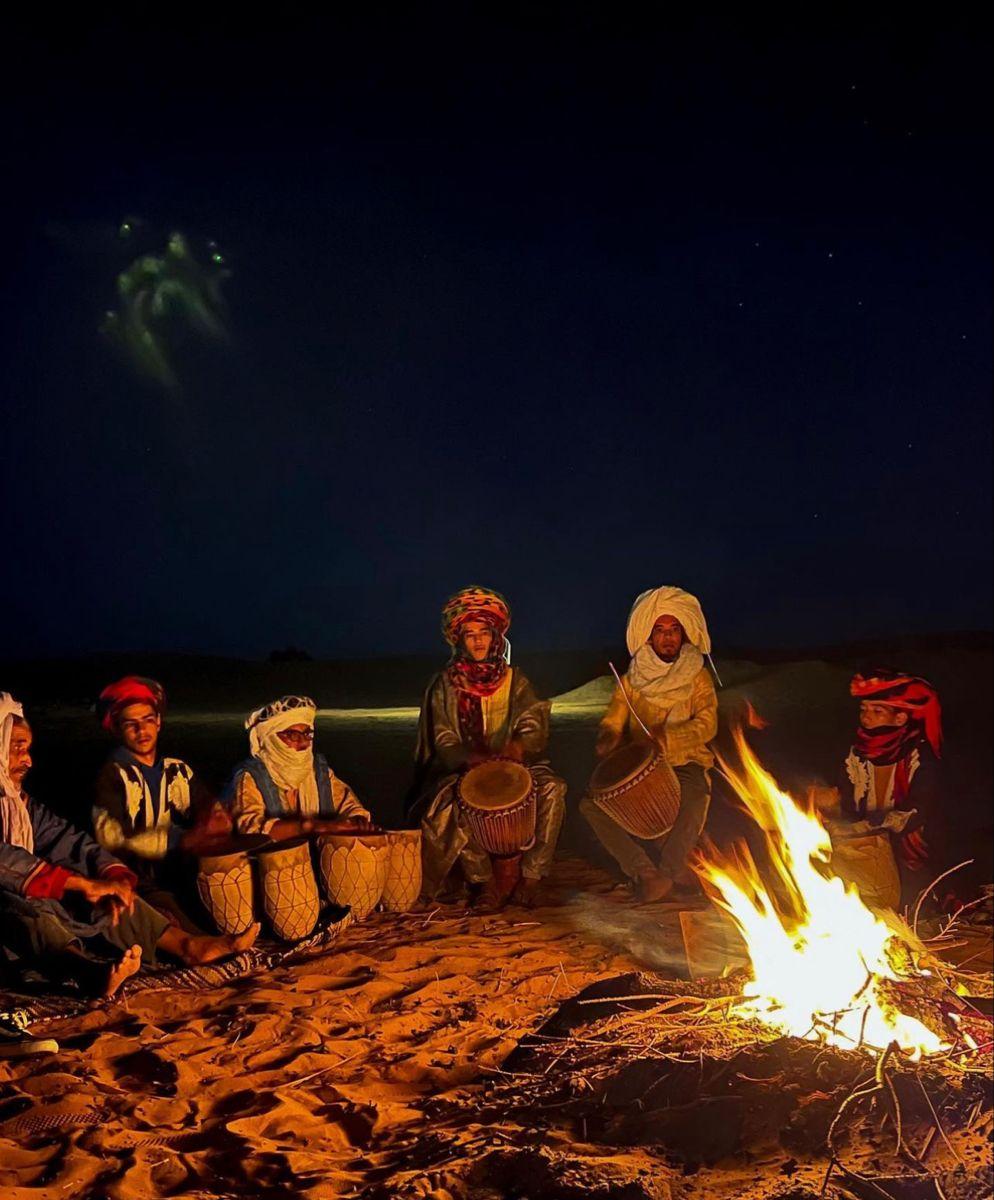
From the south came the Gnaoua: descendants of people brought north across the Sahara, whose music — the bass guembri and iron qraqeb, played in long trance sequences — is now one of Morocco's most recognisable exports. You can hear it at Khamlia near Merzouga and at the Essaouira festival each June.
Hospitality is a structure, not a mood
Being offered tea is not small talk. In much of Morocco, and particularly in the countryside, offering food and drink to a visitor is close to an obligation, and refusing outright can land oddly.
You do not have to finish it. Accepting a glass, sitting for ten minutes and thanking your host properly is the whole of the etiquette. If you are invited into a home, taking pastries or fruit is a good gesture, and shoes usually come off at the door.
A few practical courtesies
None of this is difficult, and all of it is appreciated.
- Ask before photographing people, especially women and especially in villages.
- Non-Muslims cannot enter most working mosques in Morocco; the Hassan II Mosque in Casablanca is the notable exception.
- Dress modestly in medinas and rural areas — shoulders and knees.
- The right hand is used for eating and for giving and receiving.
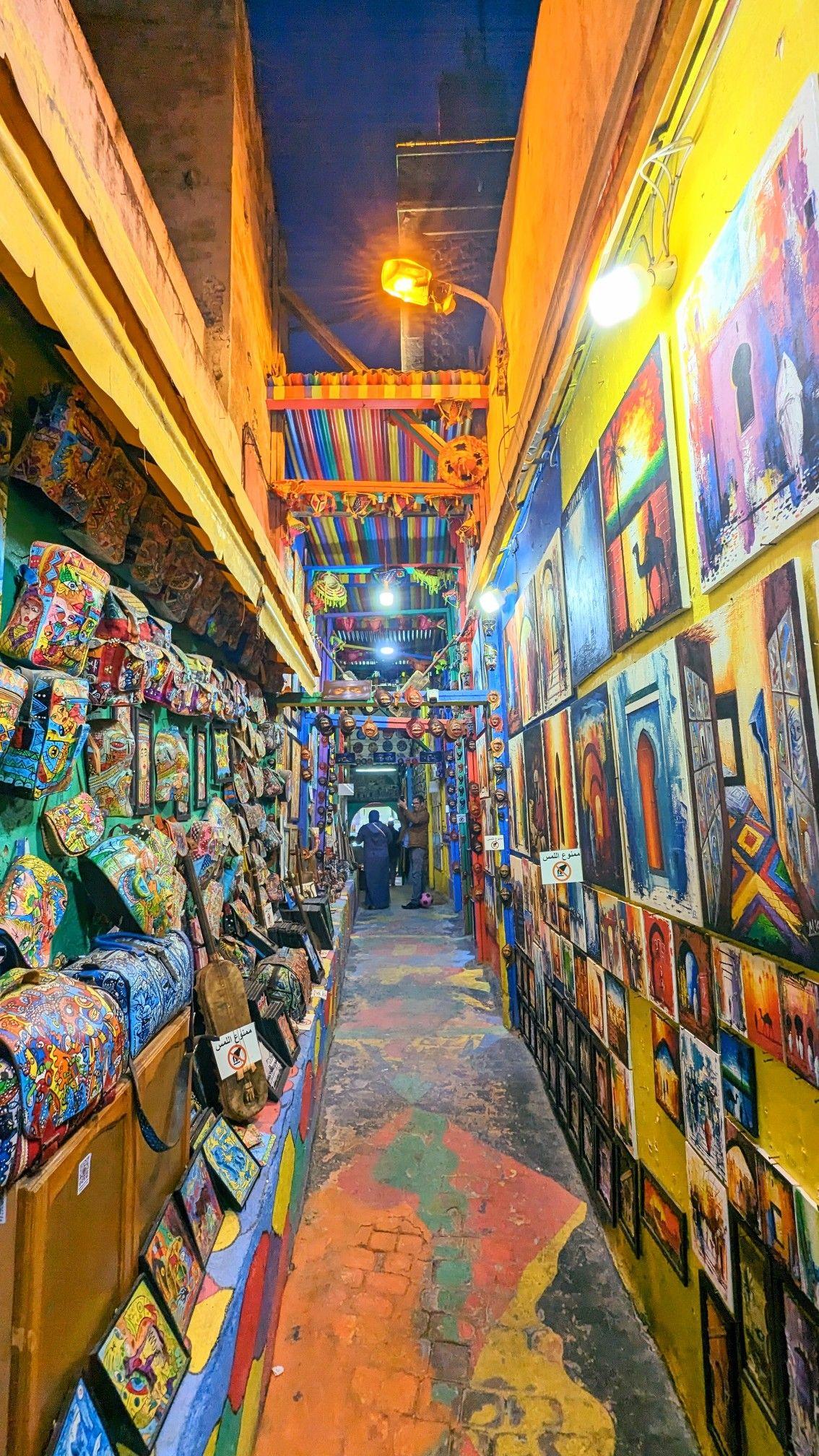
- Bargaining in the souks is normal and should be good-humoured; if you are not prepared to buy, do not start.
Ready to see it for yourself?
Our guides are Moroccan and will explain all of this as you go — including the parts that are contested, because plenty of it is.
Tell us your dates and we will shape an itinerary around what you have just read.