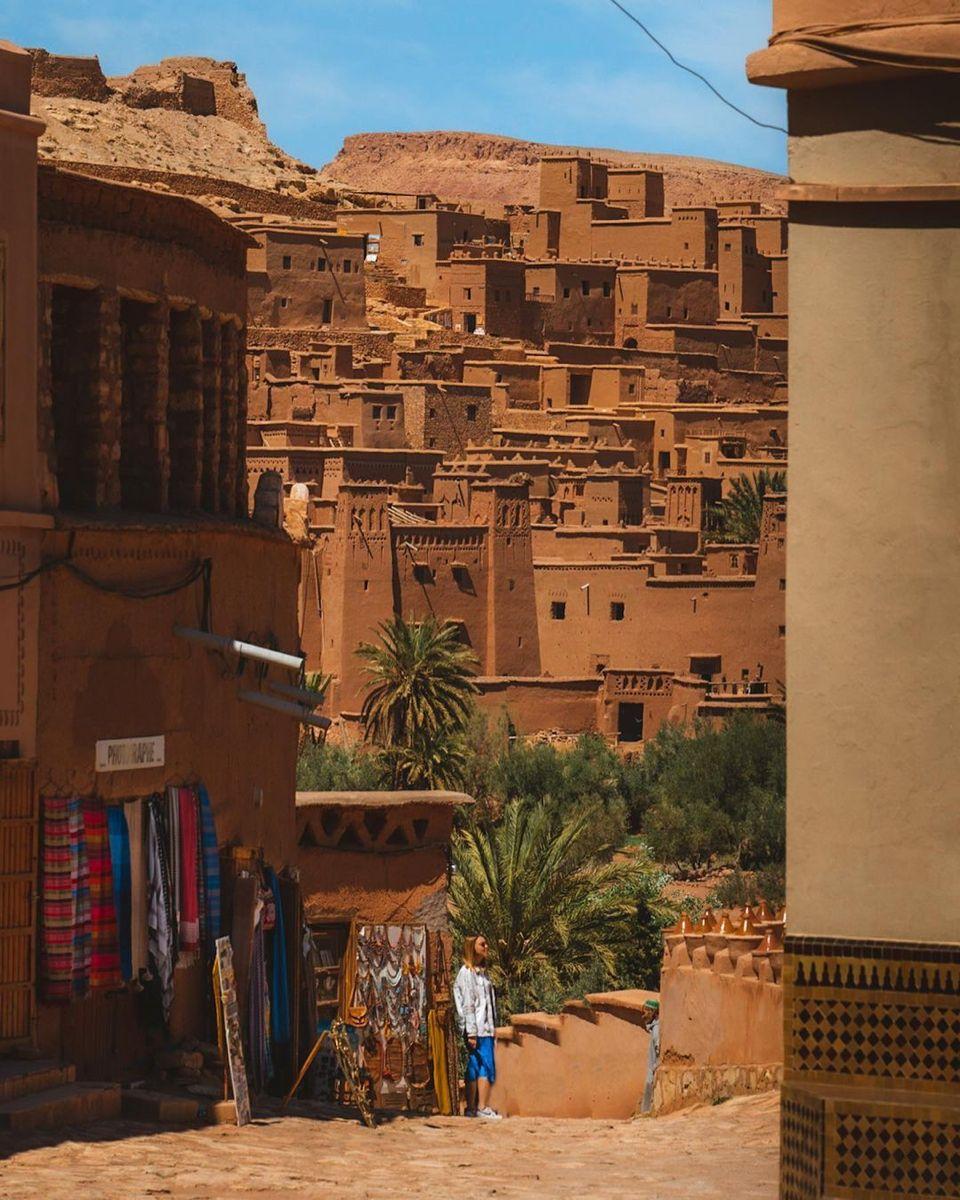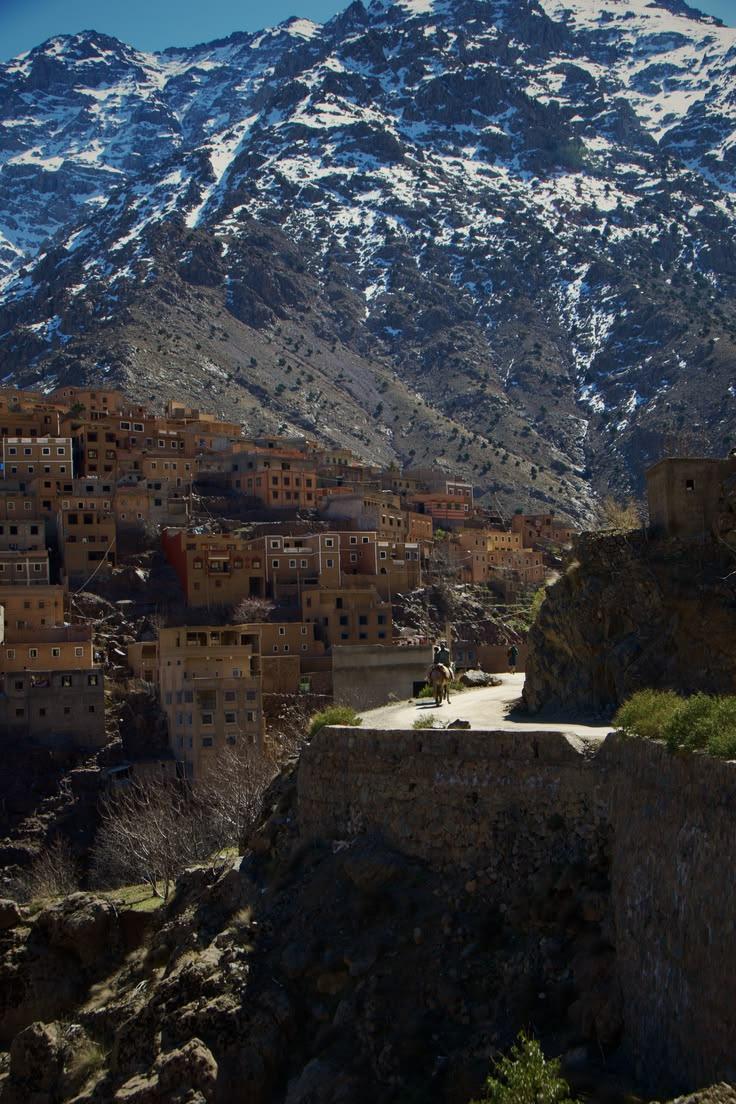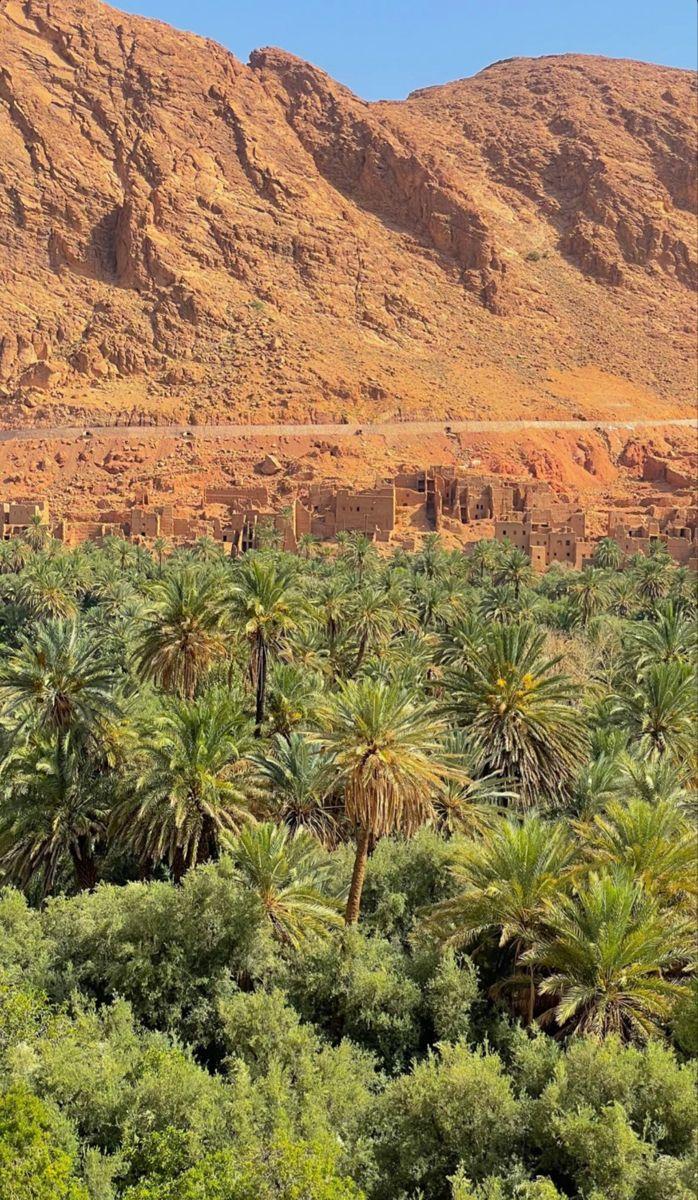
Our Moroccan team plans desert journeys around the seasons, road distances and the experience you want. These notes introduce the landscapes and practical choices that shape a Sahara trip.
The short version: pick the right dune field, give it two nights rather than one, and get up for the sunrise.
Erg Chebbi or Erg Chigaga?
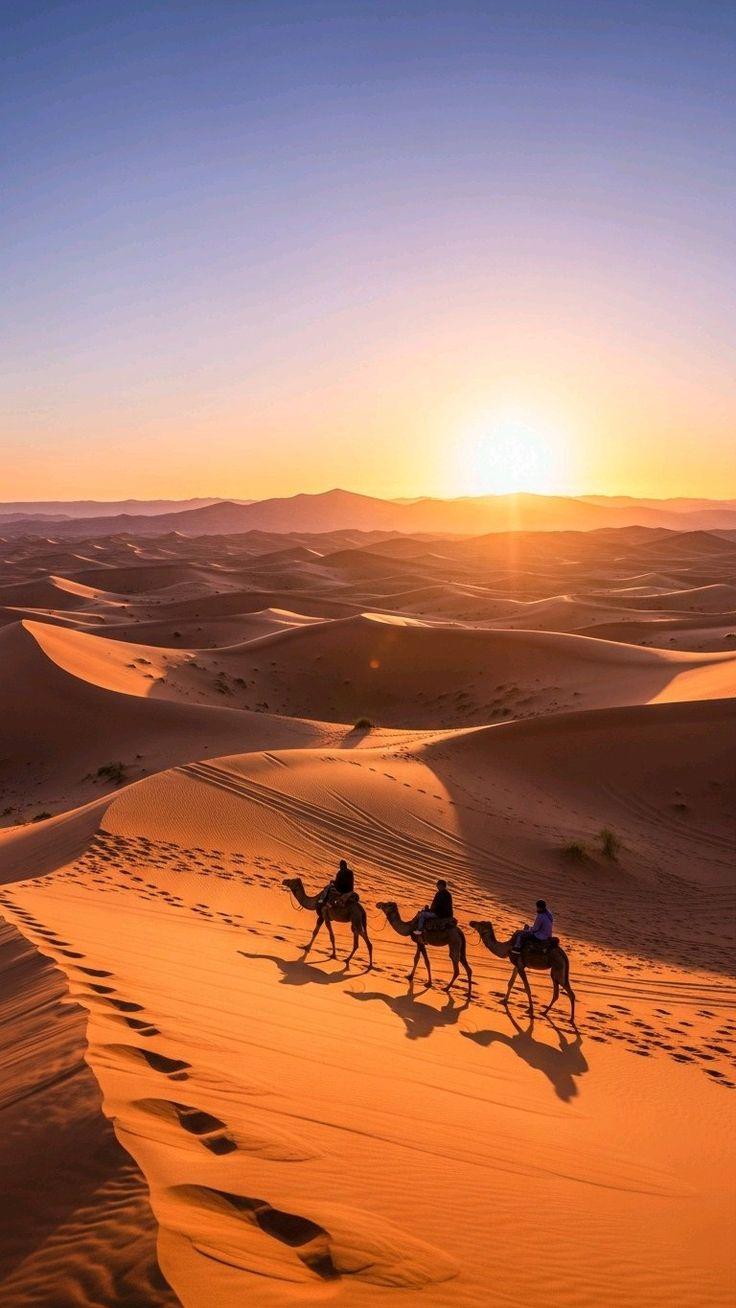
Morocco has two large dune fields. Erg Chebbi, behind Merzouga, is around twenty-two kilometres long and up to about a hundred and fifty metres high, and it starts within a short drive of a paved road. Erg Chigaga, beyond M'Hamid in the far south, is larger and wilder but requires a couple of hours of off-road driving to reach.
For most travellers, Erg Chebbi is the right answer. The dunes are dramatic, the access is easy, and the surrounding area — nomad camps, the Gnaoua village of Khamlia, the black desert — gives you a real day's worth of things to do beyond the sand itself. Choose Chigaga if remoteness matters more to you than convenience and you have the days to spare.
One night or two?
This is the mistake. A one-night desert trip means you arrive in the late afternoon, ride into the dunes, have dinner, sleep, get up and leave. You will see a sunset. You will probably be too tired to enjoy the sunrise, and you will see nothing of the desert beyond the camp.
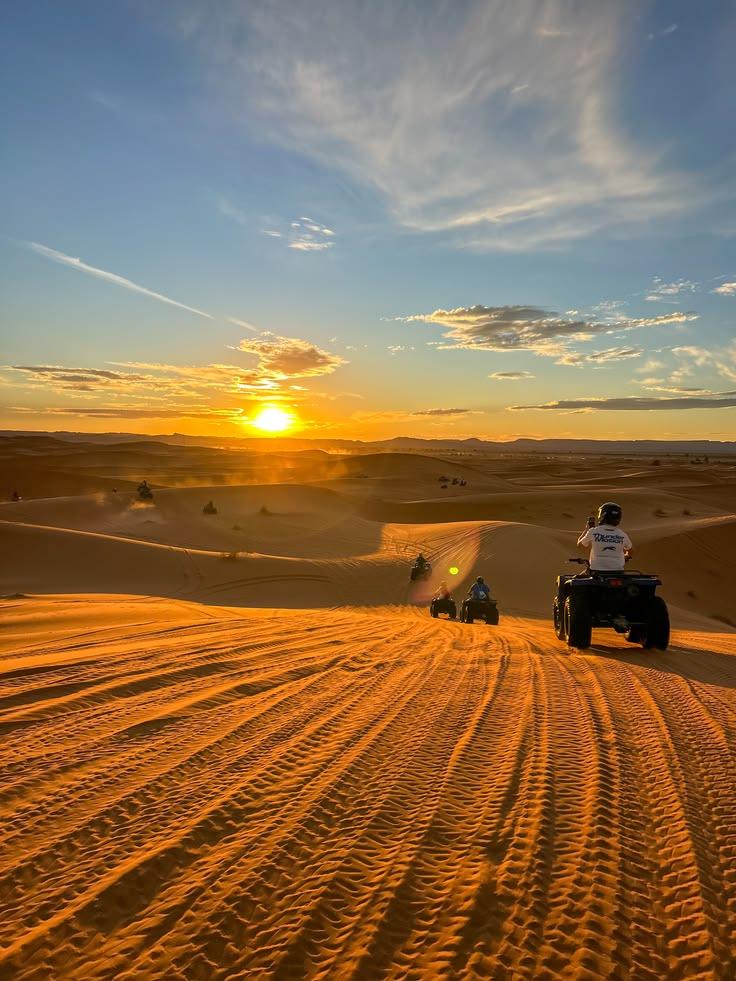
Two nights changes the trip entirely. The middle day is when you meet nomad families, hear Gnaoua music at Khamlia, cross the black hamada by 4x4, and have the time to sit still somewhere. It is the difference between visiting the Sahara and spending time in it.
What a desert camp is actually like
Camps range from simple to genuinely comfortable. At the simpler end you get a traditional tent, a proper bed, thick blankets and shared bathrooms. At the more comfortable end the tents have private bathrooms with hot water, rugs, and electricity for part of the night.
What they share: dinner cooked on site, usually a tagine; drums and singing round a fire afterwards; and no light pollution whatsoever. Nobody sleeps directly on sand, and nobody is roughing it unless they specifically ask to.
The camel ride, honestly
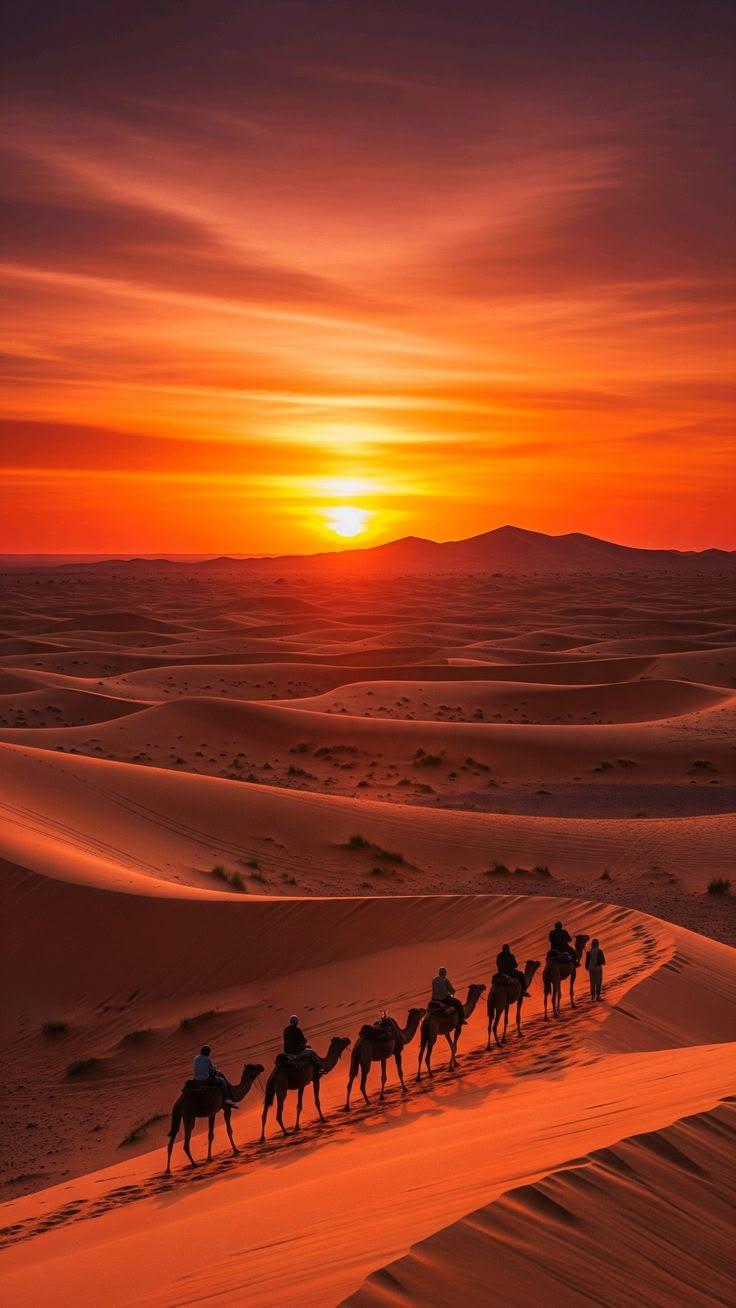
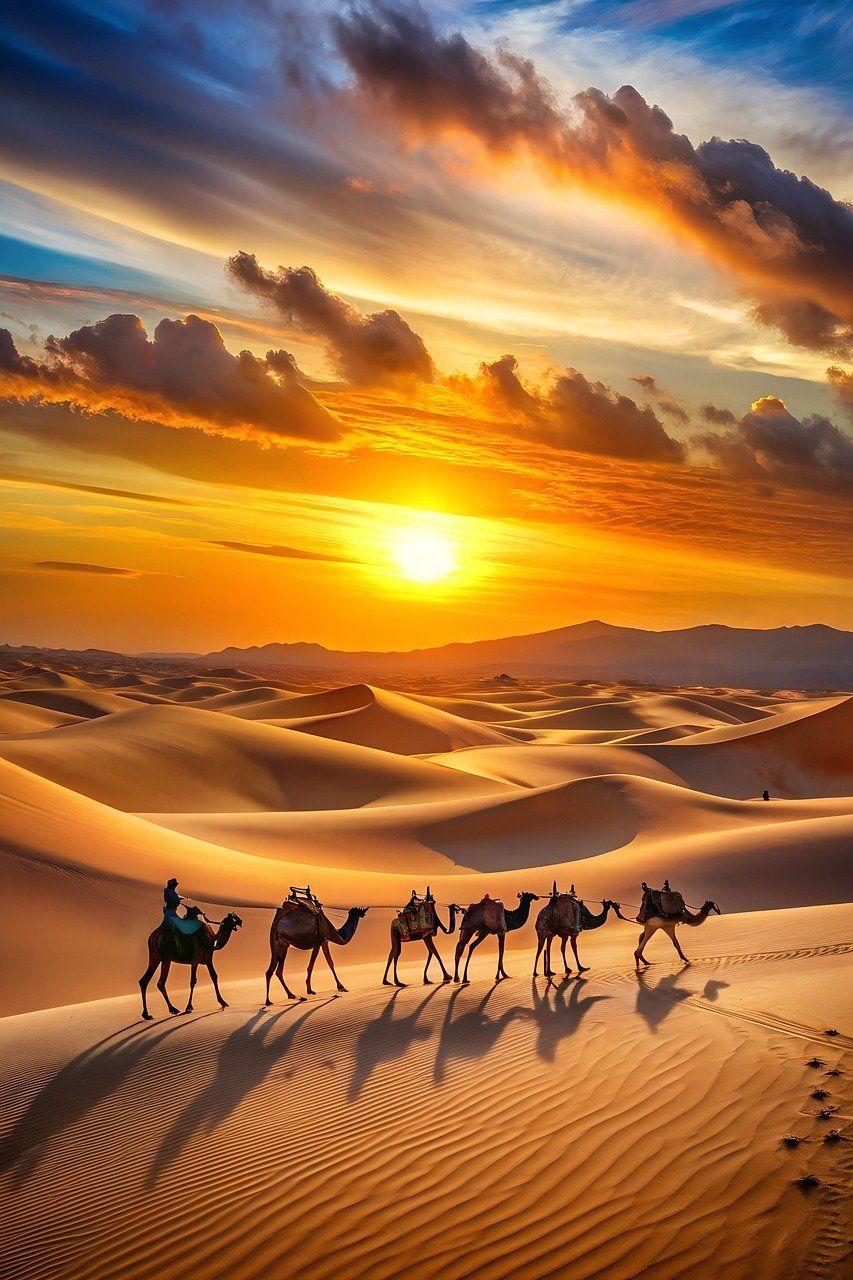
The ride from the edge of the dunes to the camp takes about an hour, and it is the classic way to arrive — a line of camels, long shadows, the sound of nothing. It is also genuinely uncomfortable for some people, particularly with back or hip problems.
There is no shame in taking a 4x4 to the camp instead, and it makes no difference to the experience once you are there. Say so when you book and we will arrange it without making it a thing.
What to bring
You leave your main luggage at the vehicle or the hotel and take an overnight bag into the dunes. Keep it small.
- A warm layer — the desert gets genuinely cold at night, especially November to March
- A scarf, for sun, wind and sand
- A head torch or phone torch
- Sunglasses and high-factor sun cream
- Shoes you do not mind filling with sand, plus something to walk the dunes barefoot in the cool of the morning
- A power bank; camp electricity is limited
Ready to see it for yourself?
Choose a Sahara journey from Marrakech, Casablanca, Fes, Tangier, Errachidia or Ouarzazate. Tell us your dates and preferred departure city and we will help shape the route.
Tell us your dates and we will shape an itinerary around what you have just read.