Morocco is roughly the size of France, and the distances are real. The single most common mistake first-time visitors make is trying to see everything in ten days, which usually results in seeing a great deal of road.
Below are the places we think are worth building a trip around, grouped roughly by region, with an honest note at the end about how many you can realistically combine.
The imperial cities: Marrakech, Fes, Rabat
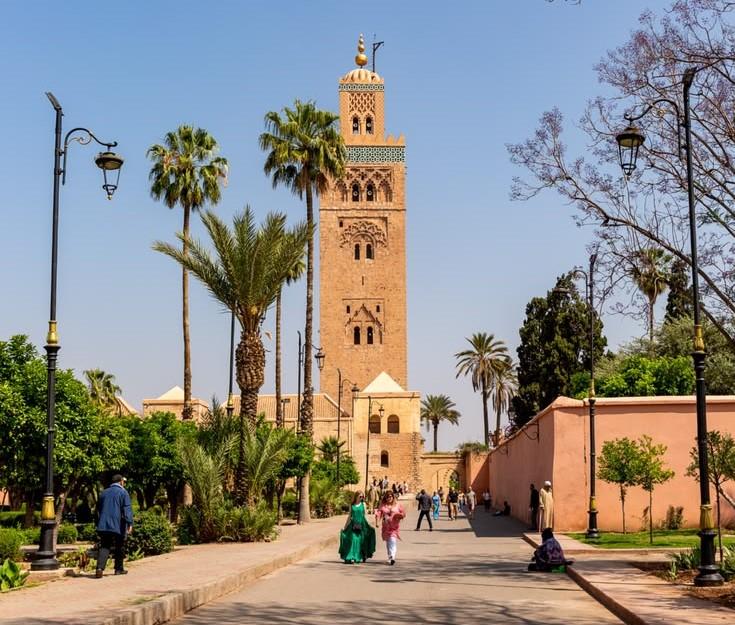
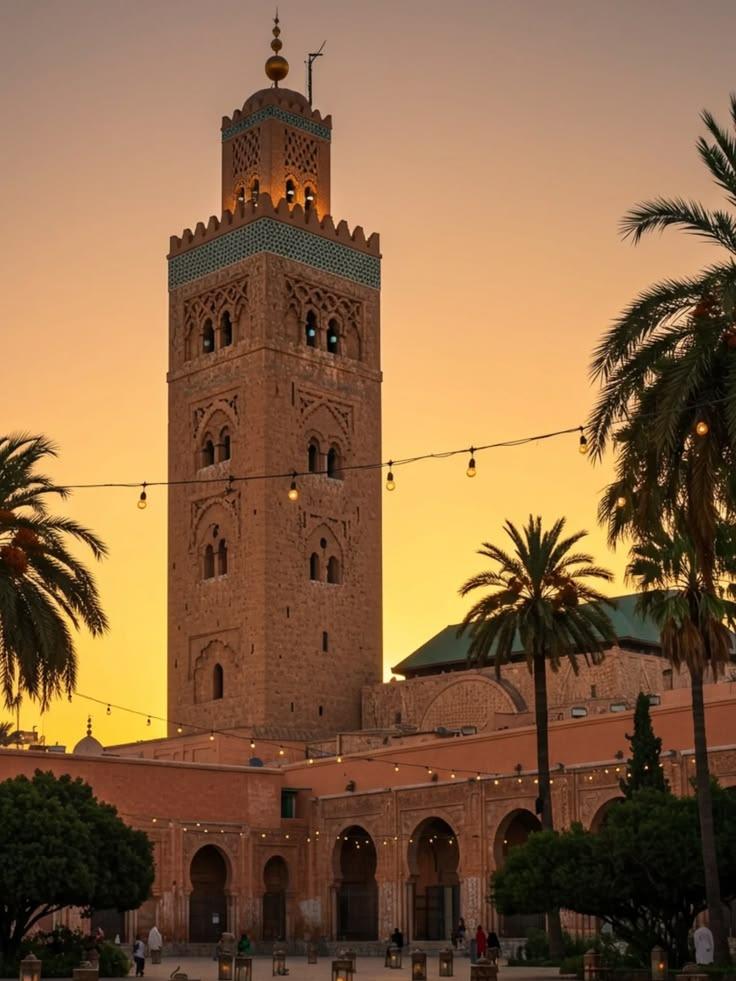
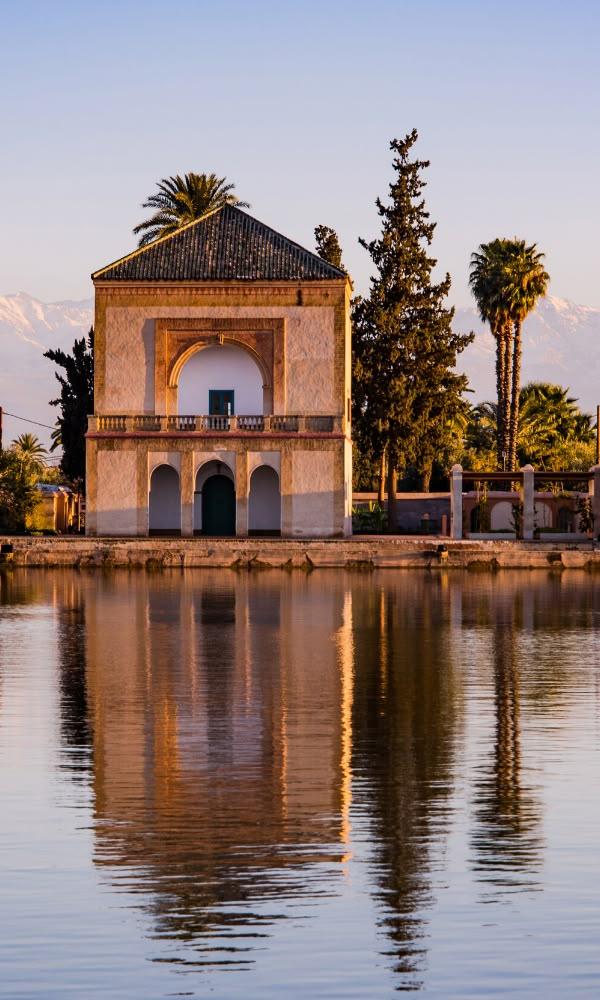
Marrakech is where most journeys begin. Its walled medina, Jemaa el-Fnaa square, the Bahia Palace and the Majorelle Garden are all within a short walk of one another, and the city is the natural gateway to the High Atlas and the south.
Fes is the older and, for many travellers, the more rewarding of the two. Fes el-Bali is a medieval walled city that is still entirely car-free, and it takes a guide to make sense of on the first day. Rabat, the capital, is quieter than both, with Roman ruins at Chellah and a blue-and-white kasbah above the Atlantic.
The desert: Merzouga, Errachidia and the Sahara
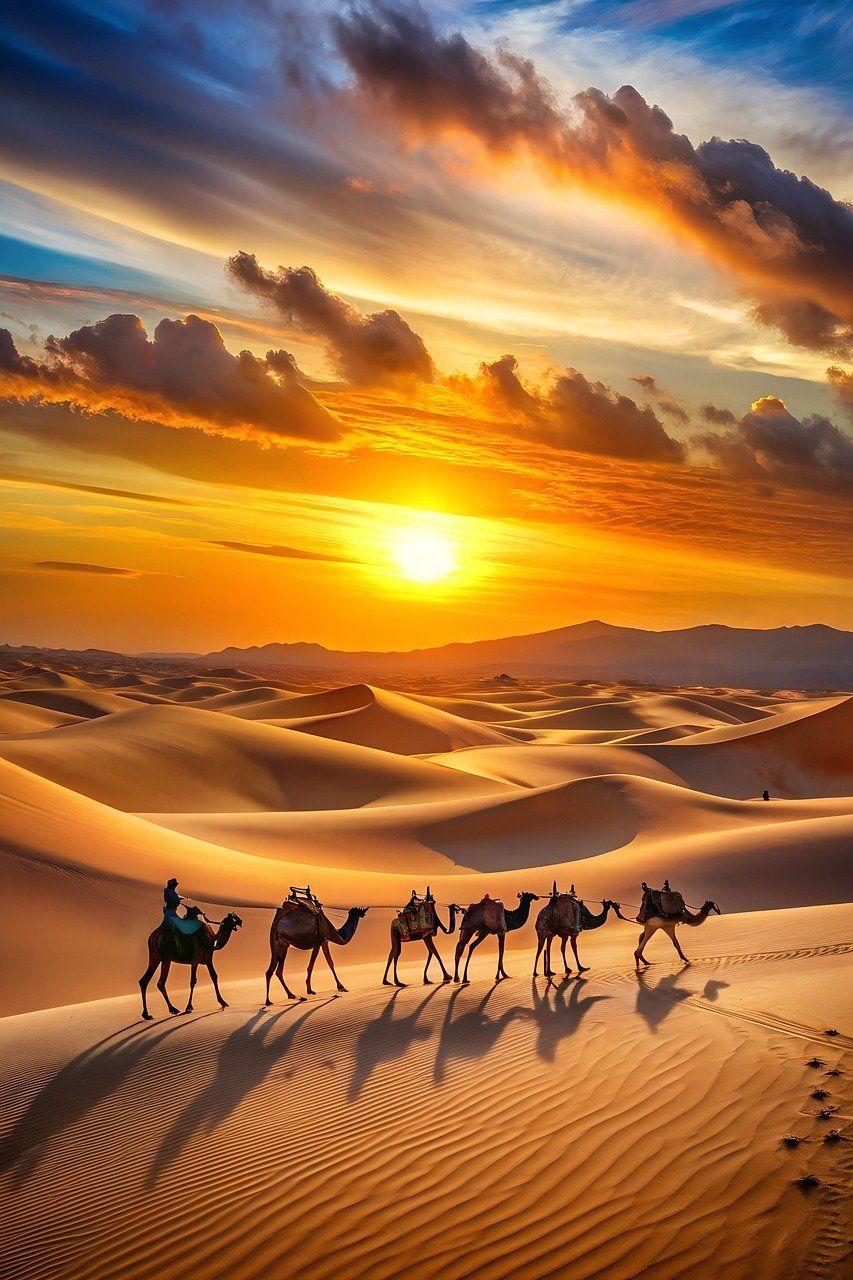
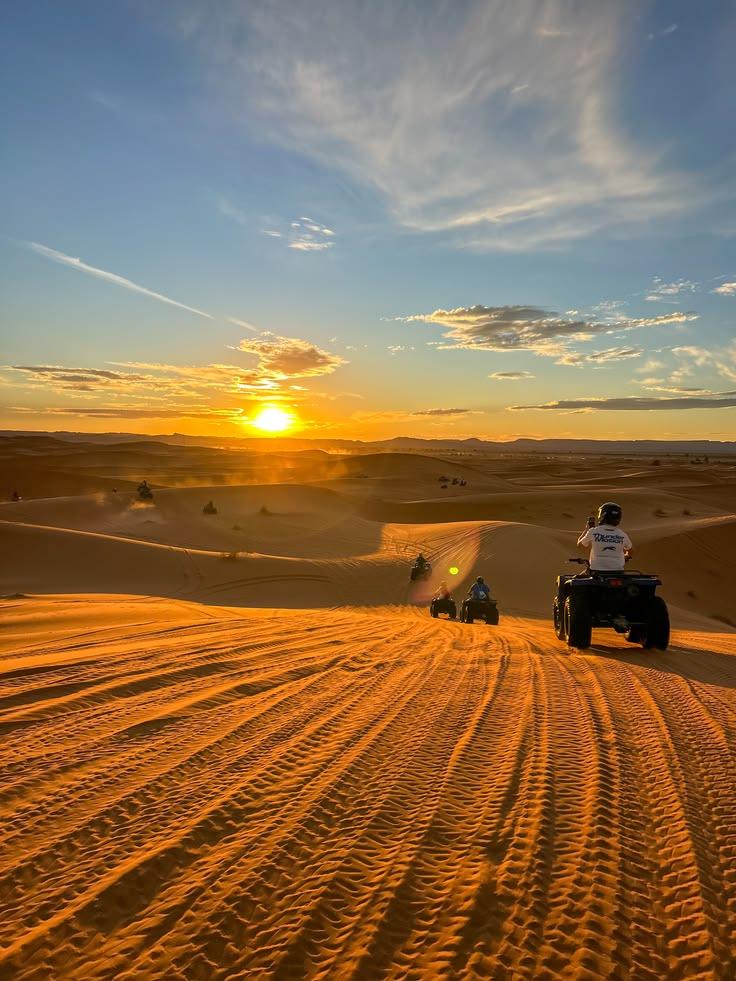
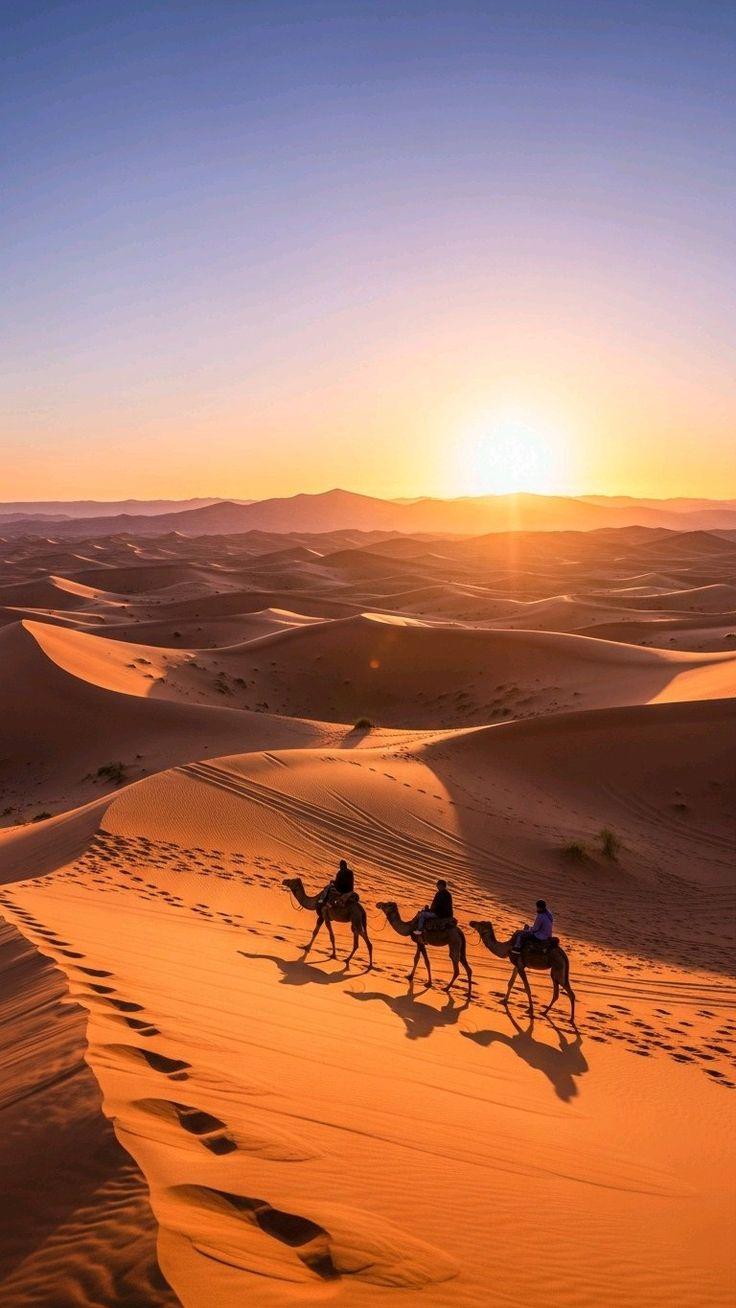
Erg Chebbi, the dune sea behind Merzouga, is the Morocco most people picture before they arrive. It rises out of flat black stone with no transition, reaches around a hundred and fifty metres, and is best seen at sunrise rather than sunset.
Getting there is half of it. The Ziz Valley south of Errachidia runs as an unbroken green corridor of date palms for over a hundred kilometres through bare desert, and the viewpoint over it is one of the finest views in the country.
Kasbah country: Ait Ben Haddou, Ouarzazate and the Atlas
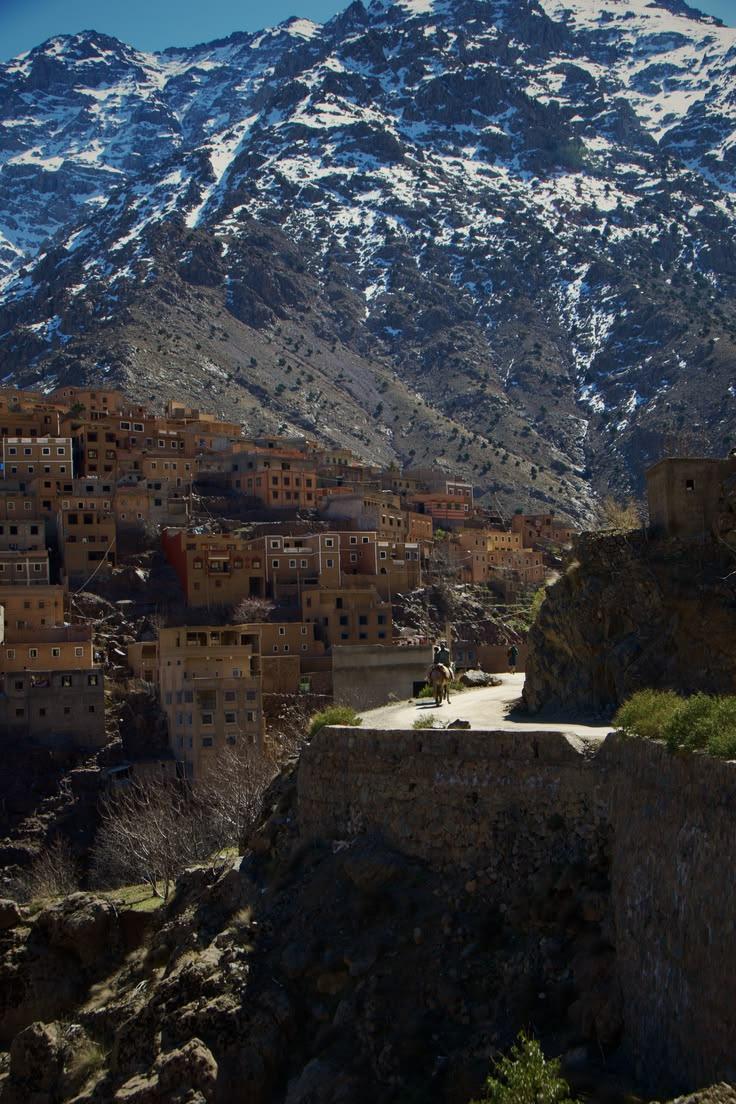
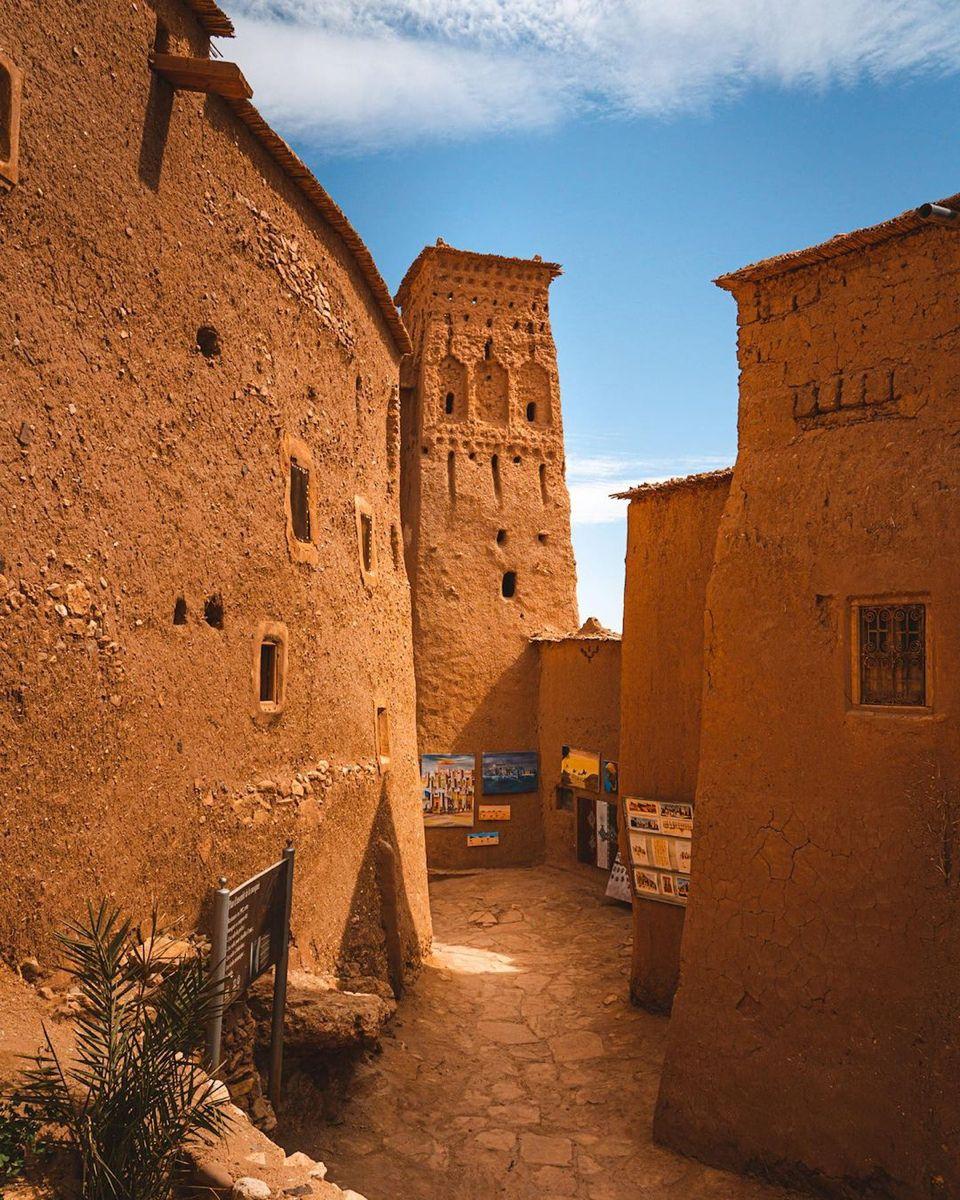
The road from Marrakech to the south crosses the Tizi n'Tichka pass at 2,260 metres and comes down into a completely different country: red rock, palm valleys and fortified earthen villages.
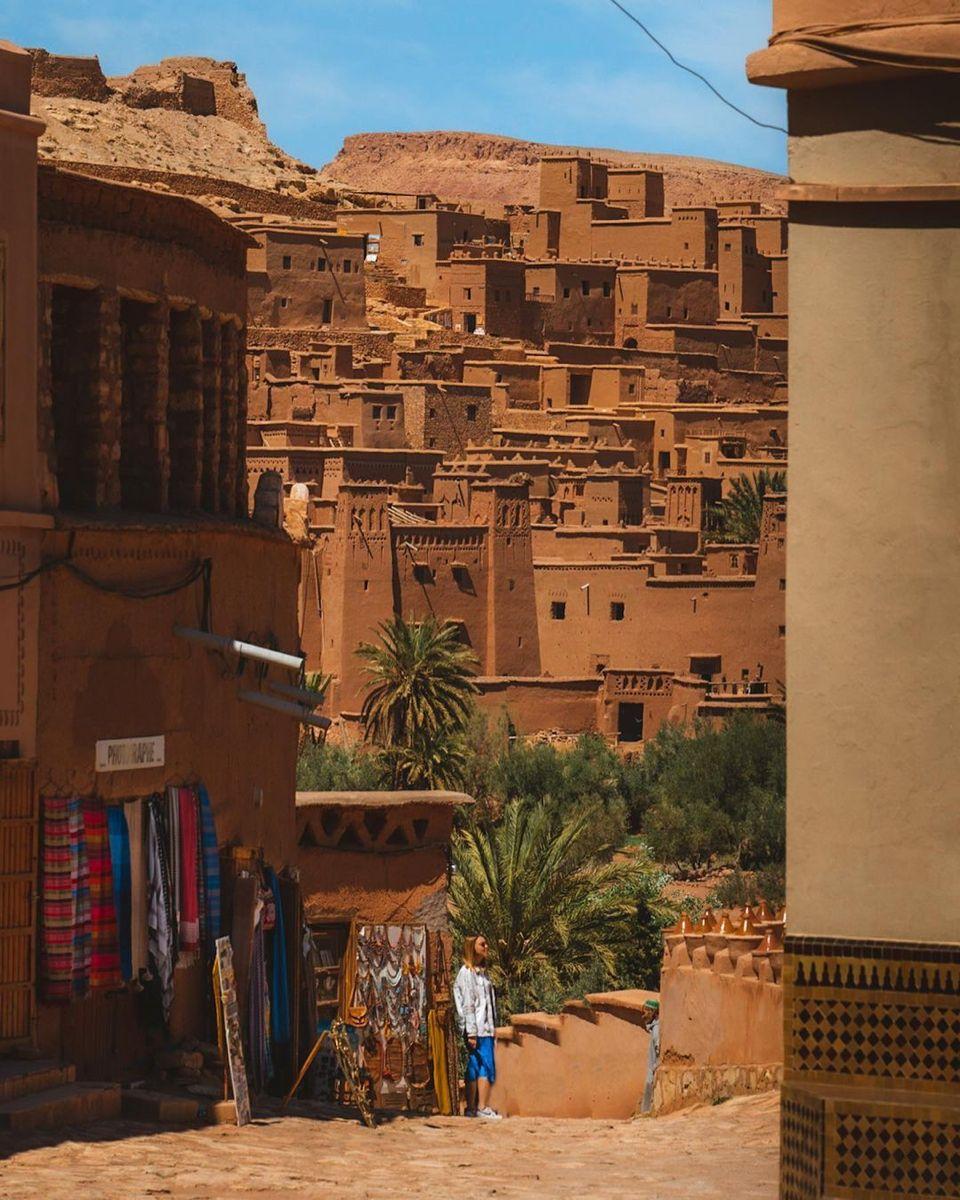
Ait Ben Haddou, a UNESCO World Heritage ksar, is the highlight — and worth staying overnight for, since the day-trip crowds arrive between eleven and three, exactly when the light is worst. Ouarzazate, half an hour further, has the Taourirt Kasbah and the film studios that have hosted dozens of international productions.
The north and the coast: Chefchaouen, Tangier, Essaouira, Agadir
Chefchaouen, the blue town in the Rif mountains, is small, gentle and completely unlike the big medinas. Tangier, at the meeting of the Atlantic and the Mediterranean, is the natural entry point from Spain.
On the Atlantic, Essaouira is a walled fishing port with grid-planned streets, constant wind and the best fish in Morocco. Agadir, further south, is the country's sun-and-sea resort and the gateway to the surf breaks at Taghazout.
How many can you actually combine?
A realistic rule: one region per week, plus the drive between them. In seven days you can do Marrakech, the Atlas crossing, Ait Ben Haddou and the Merzouga desert comfortably. In ten you can add Fes. In four you should pick one city and stay in it.
- 4 days: one city, done properly
- 7 days: Marrakech, the Atlas, Ait Ben Haddou and the Sahara
- 10 days: add Fes, or the Atlantic coast
- 14 days: north to south, from Tangier and Chefchaouen to Merzouga
Ready to see it for yourself?
If you tell us your dates and which of these matter most to you, we will send back a route with realistic driving times rather than an ambitious one that looks good on paper.
Tell us your dates and we will shape an itinerary around what you have just read.